What is IMO?
The International Mathematical Olympiad (IMO) is the World Championship Mathematics Competition for High School students and is held annually in a different country.
Quick Facts
- First held 1959 (Romania)
- Participation National teams from over 100 countries, with up to 6 contestants per country
- Eligibility Under 20 years old and not enrolled in post-secondary education
- Exam format 2 days, 3 problems per day, 4.5 hours each day
- Scoring Each problem is worth 0-7 points, maximum total score 42
- Awards Gold, silver, and bronze medals are awarded to approximately half of contestants, in roughly a 1:2:3 ratio
Introduction
The IMO is a competition for the brightest and most talented High School Students in the field of mathematics.
Its goal is to inspire and challenge students, help young mathematicians connect across countries, and encourage the sharing of ideas about how math is taught in schools.
One of the IMO's objectives is also to enable the brightest and most talented High School Students of their generation to demonstrate their mathematical ability and compete with peers from around the world, challenging themselves with extremely difficult mathematical problems. Above all, the IMO aims to build an international community and promote a wider appreciation of mathematics.
The Competition
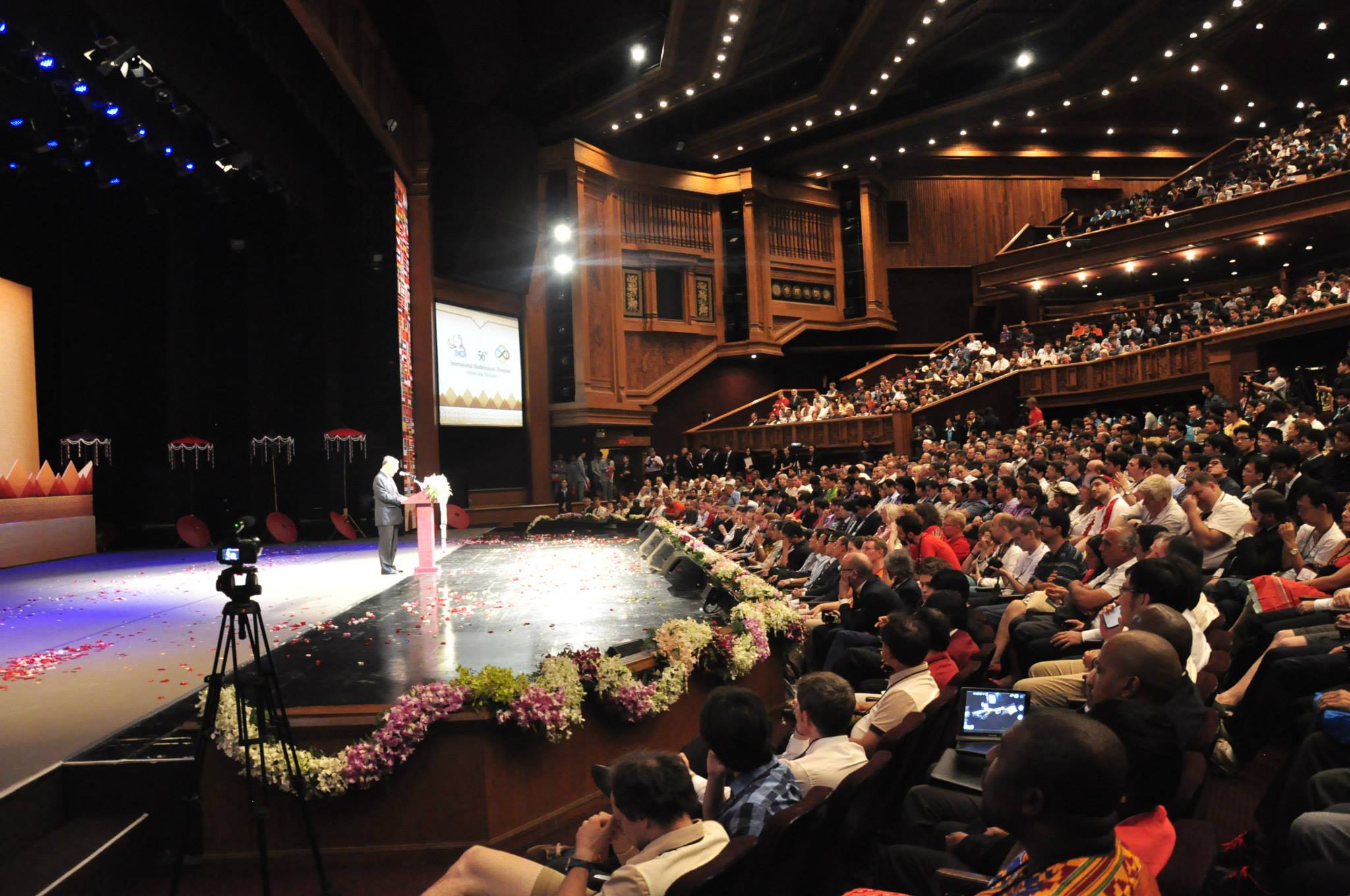
The first IMO was held in 1959 in Romania, with 7 countries participating. It has gradually expanded to over 110 countries from 5 continents.
The competition consists of 6 problems, with each problem worth 7 points for a maximum total score of 42 points. Problems are chosen from various areas of secondary school mathematics, including algebra, combinatorics, geometry, and number theory. The IMO takes place over two consecutive days. On each day, participants have four and a half hours to solve three problems.
The problems require exceptional mathematical insight and creativity. Each year only a few, sometimes only one or none, out of more than 600 students manage to solve all six problems scoring 42 points. No calculators are permitted, and solutions must include complete proofs and justifications.
Participation
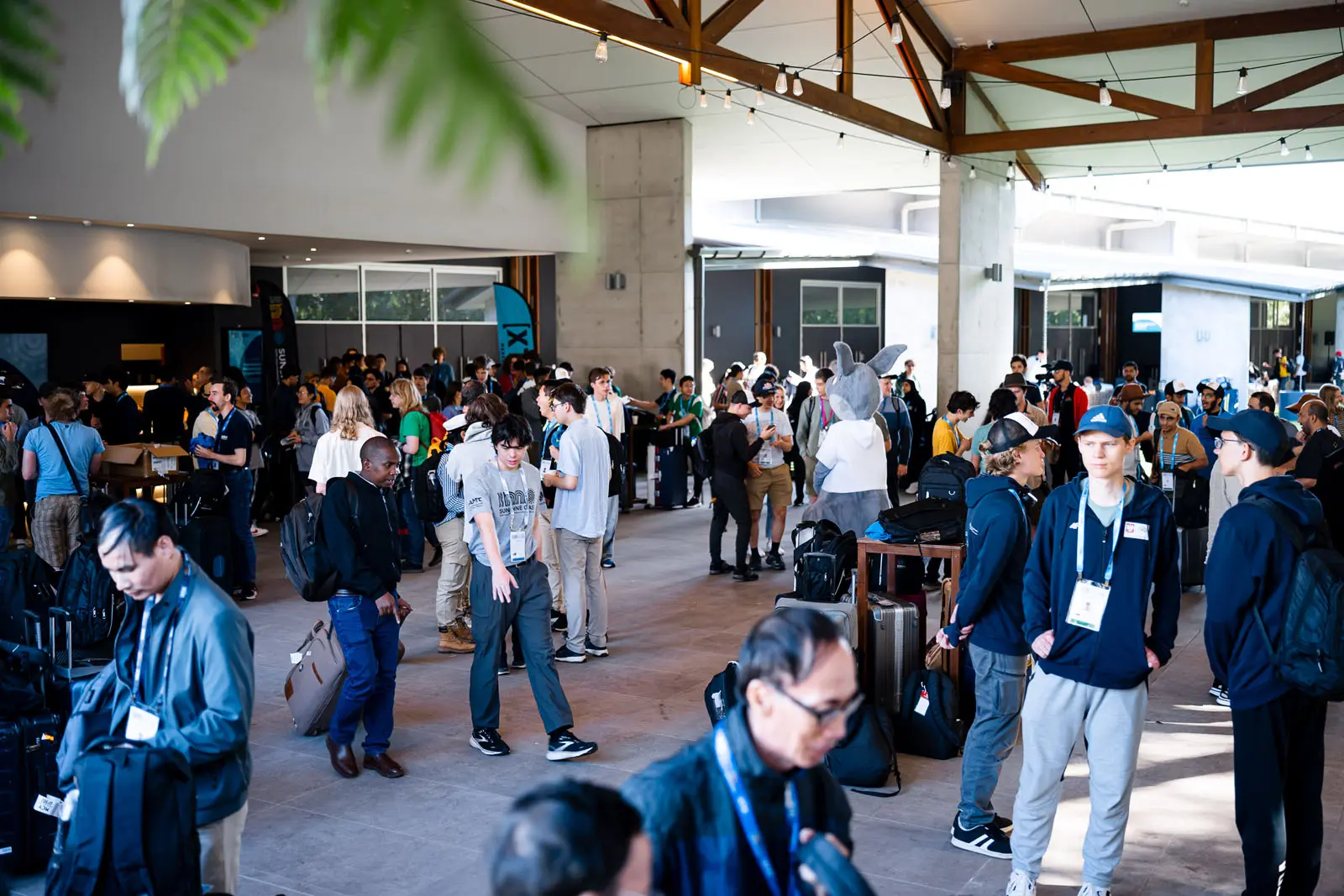
Each country sends a team of up to six contestants, who must be under 20 years of age and not enrolled in any post-secondary institution.
The team is accompanied by a Leader and Deputy Leader. The Leader is a member of the IMO Jury and participates in the selection of problems.
The coordination of marking is done by coordinators from all over the world and provided by the IMO host country. Both the Leader and the Deputy Leader participate in the process of marking the team's solutions. This collaborative process ensures fairness and consistency across all participating nations.

Awards and Recognition
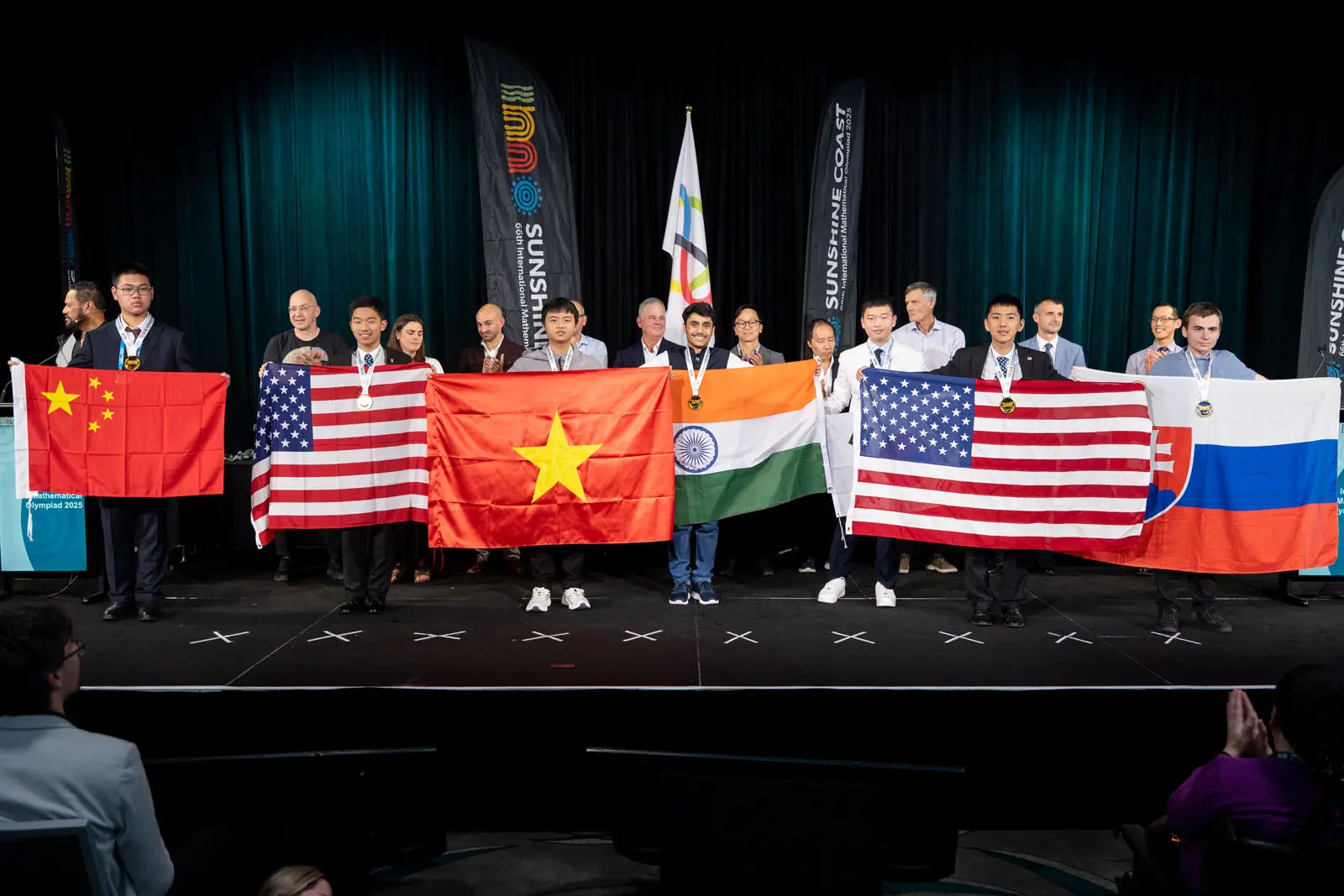
Medals are awarded to approximately half of the contestants. The cutoffs for gold, silver, and bronze medals are chosen so that the ratio of medals is approximately 1:2:3. Honourable mentions are awarded to contestants who do not receive a medal but obtain a full solution on at least one problem.
Every year The Mirzakhani Prize is given at IMO to the best female contestant in each of five regions.
Problem Selection and Topics
Each year, participating countries submit proposed problems in advance. The Problem Selection Committee appointed by the host organisation reviews submissions and prepares a shortlist.
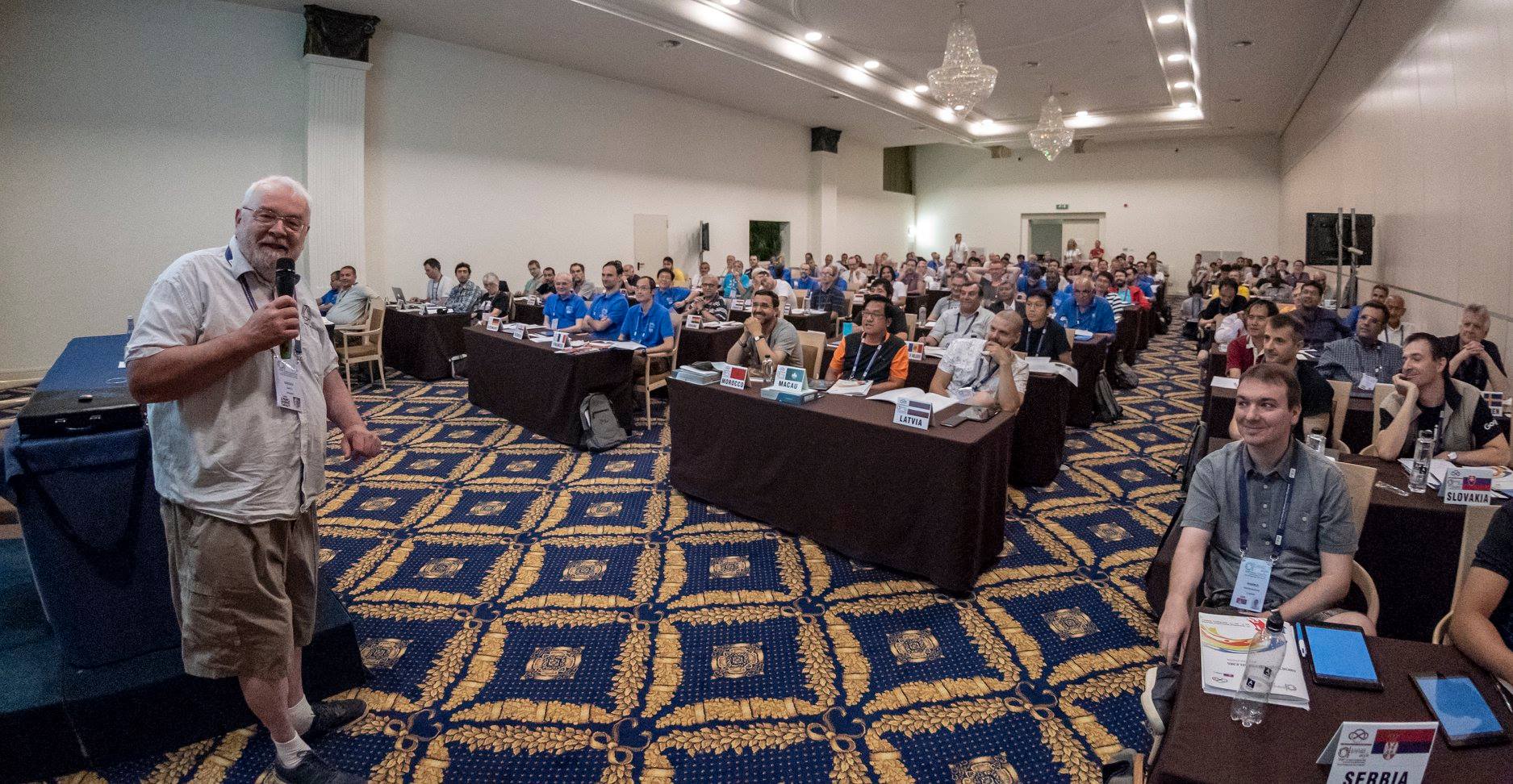
The final six contest problems are then selected by the IMO Jury, which consists of team leaders. The planned difficulty progression is often described as 1, 4, 2, 5, 3, 6, where Problems 1-3 are used on Day 1 and Problems 4-6 on Day 2. Overall, this reflects a progression from more accessible to more challenging problems.
Format and Scoring
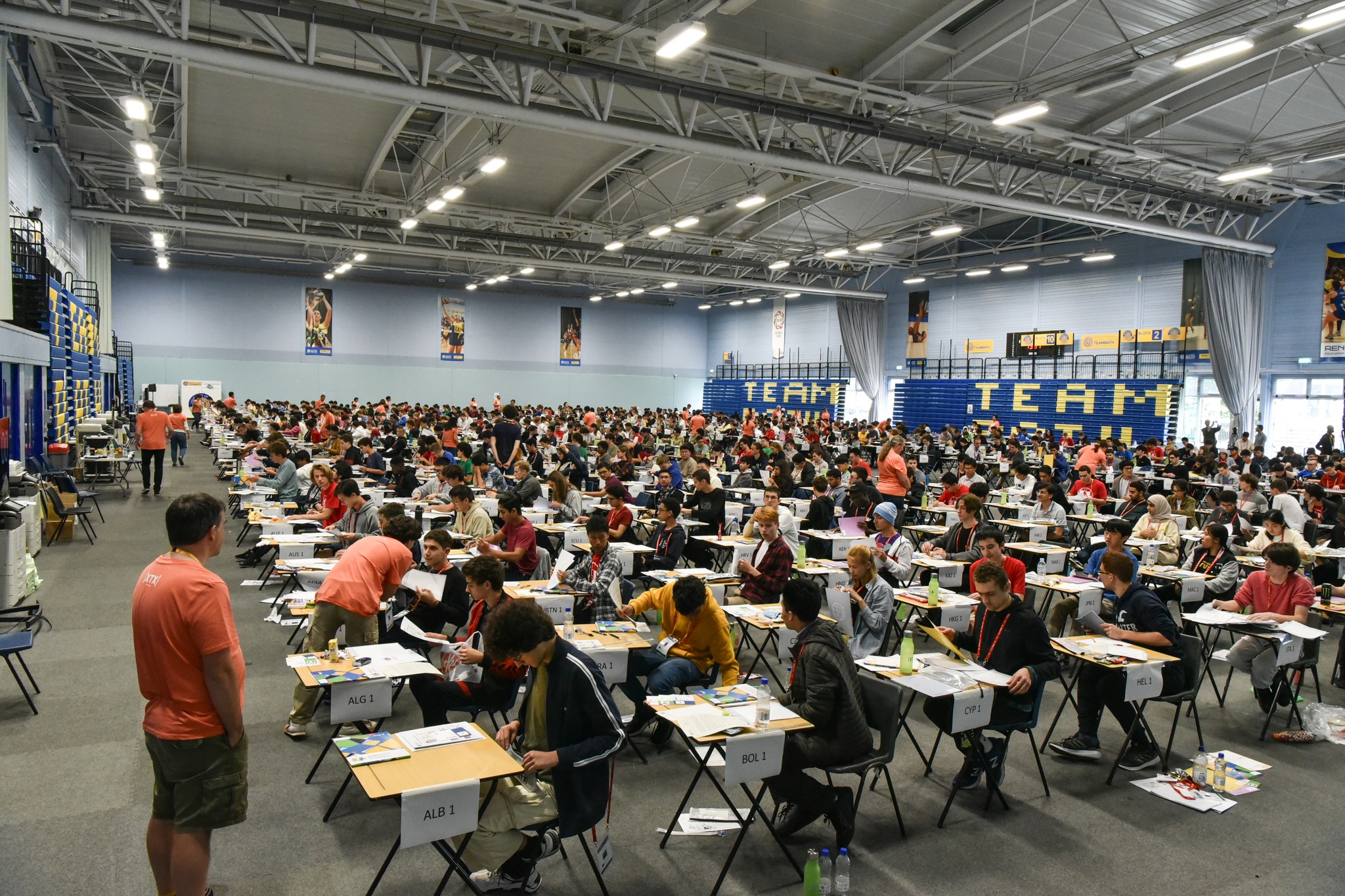
The competition is held over two consecutive exam days. On each day, contestants attempt three problems in four and a half hours, without calculators or electronic aids.
Each solution is marked on a 0-7 scale based on correctness, completeness, and clarity of proof. Partial progress can receive partial credit, while full marks require a complete and correct argument.
Marking and Coordination
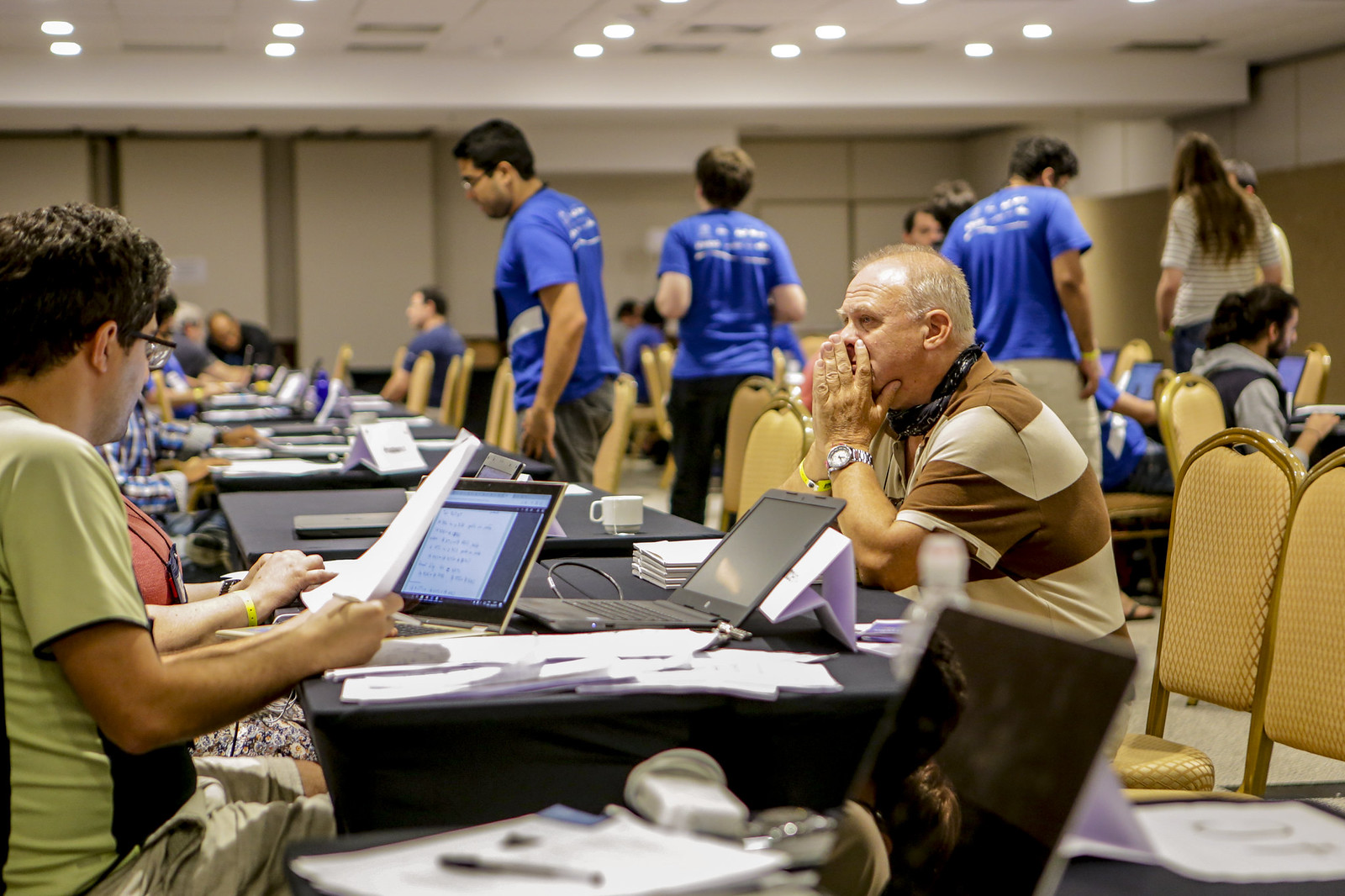
After each exam day, scripts are assessed through the international coordination process. The host organisation provides coordinators, and each country sends representatives for coordination, normally the leader and deputy leader.
The leader and designated coordinators agree the official scores for each contestant. If agreement cannot be reached, the dispute escalates through the problem captain and chief coordinator, and ultimately to the Jury if needed.
Final scores are agreed through this coordination process, with consistency across countries as a central priority. This system is one of the IMO's key safeguards for fairness.
The IMO experience
Beyond medals, the IMO experience fosters international friendships and inspires participants to pursue careers in mathematics, science, and technology.
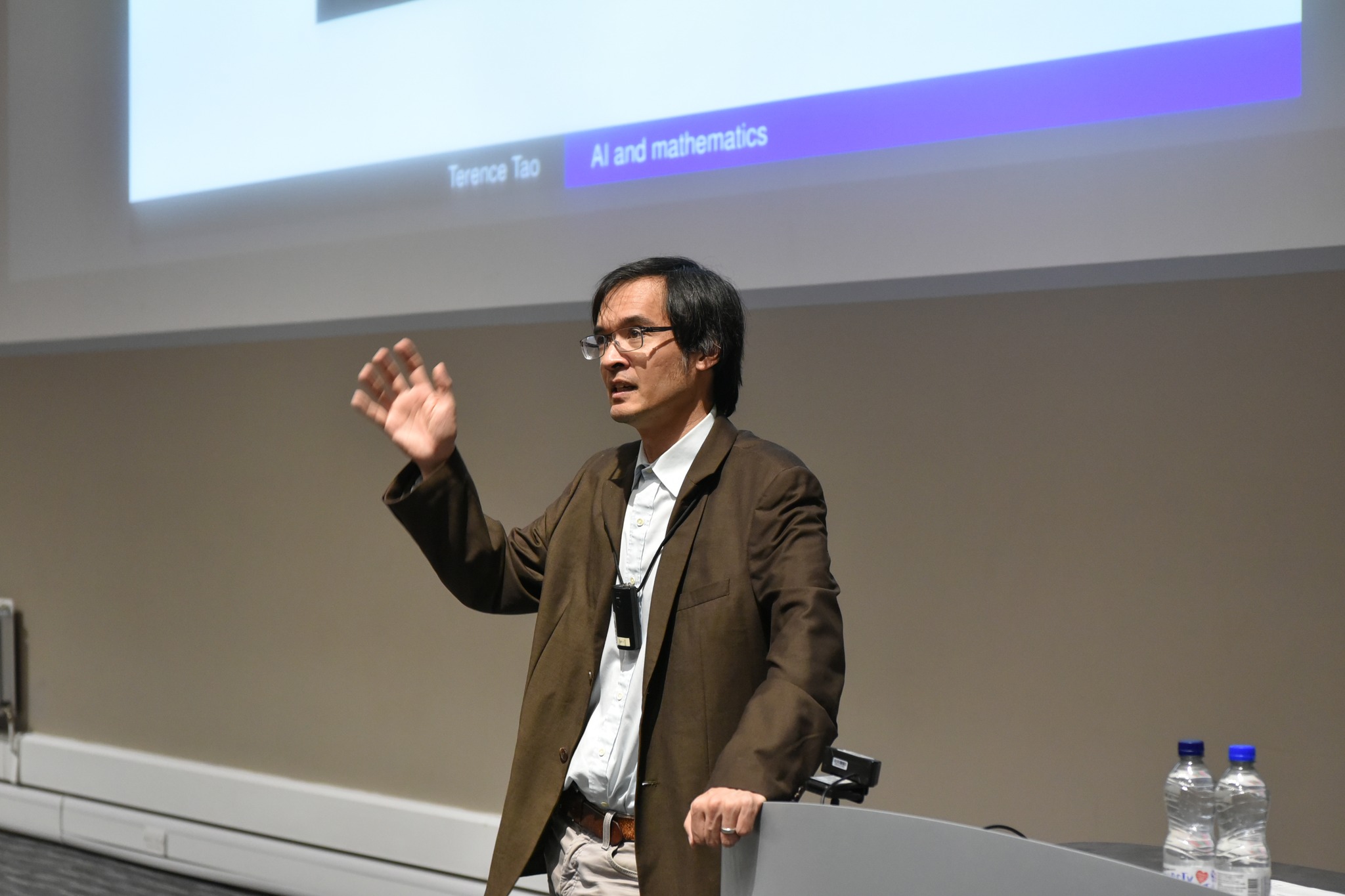
During the IMO week, contestants can meet fellow math enthusiasts from around the world, attend inspiring talks by leading mathematicians, such as Fields Medalists, on topics including recent developments in mathematics and artificial intelligence, and explore new cultures through a variety of free-time programs organized by the host country.